

Introduction
In today's fast-paced world, having a reliable source of power is essential for homeowners. Power outages can occur unexpectedly due to various reasons such as severe weather, equipment failure, or grid overloads. To ensure uninterrupted power supply during such situations, many homeowners are turning to diesel generators. In this comprehensive guide, we will explore the benefits, considerations, and installation of diesel generators for residential use.
Chapter 1: Understanding Diesel Generators
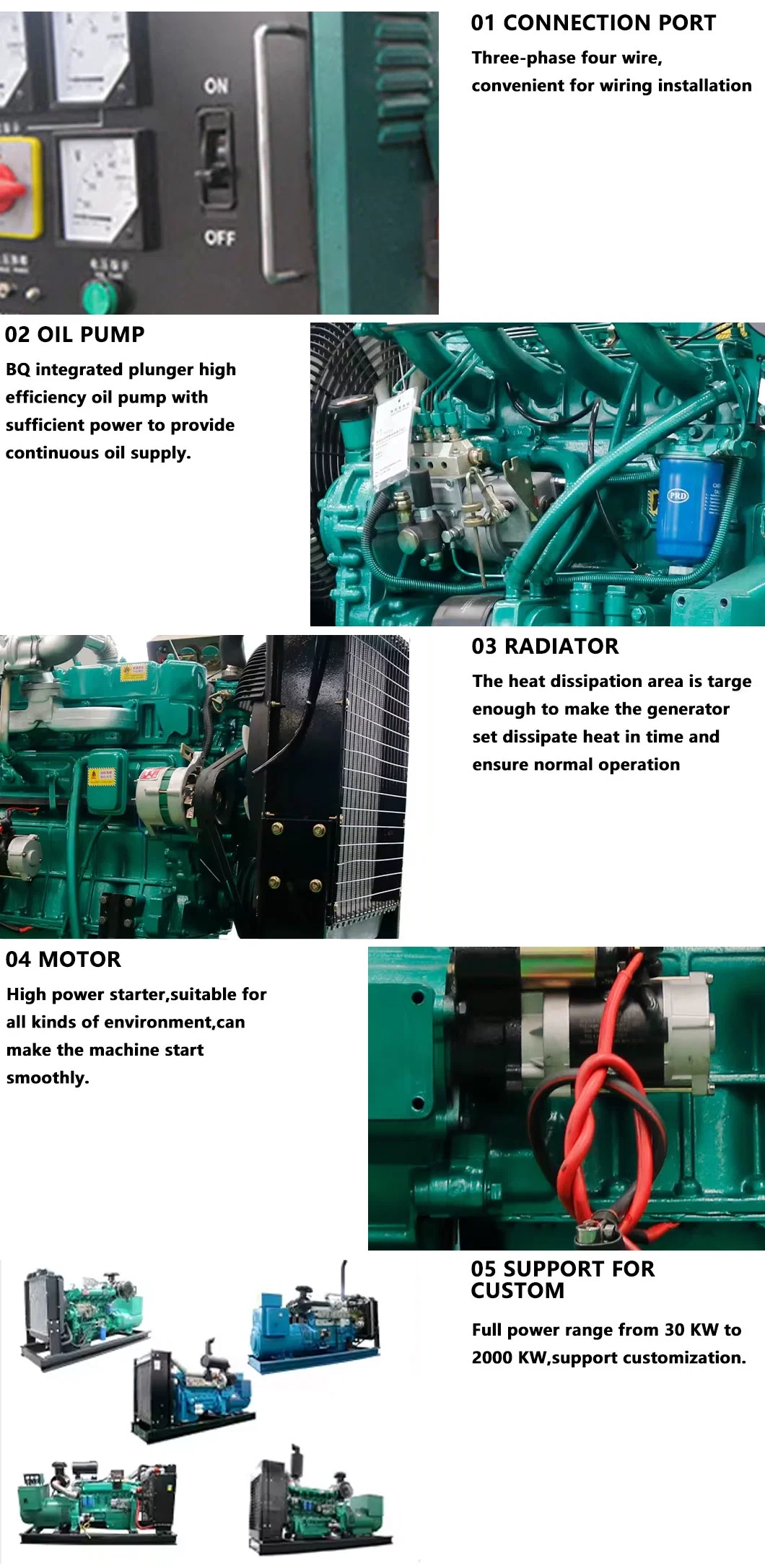
Diesel generators are a type of backup power system that uses a diesel engine to generate electricity. Unlike traditional gasoline generators, diesel generators are more fuel-efficient and can provide a longer runtime. They are also known for their durability and reliability, making them an ideal choice for residential use.
Diesel generators consist of three main components: the diesel engine, alternator, and control panel. The diesel engine is responsible for converting fuel into mechanical energy, which drives the alternator to produce electricity. The control panel regulates the generator's operation and monitors key parameters such as voltage, frequency, and fuel levels.
Chapter 2: Benefits of Diesel Generators for Residential Use
There are several advantages to using a diesel generator for residential backup power. Some of the key benefits include:
1. Fuel Efficiency: Diesel generators are more fuel-efficient than gasoline generators, providing a higher power output for the same amount of fuel. This results in lower fuel consumption and operating costs over time.
2. Durability: Diesel engines are known for their robust design and longevity. They can withstand heavy use and operate continuously for extended periods without overheating or breaking down.
3. Reliability: Diesel generators are highly reliable and can start up quickly in the event of a power outage. They are also less susceptible to fluctuations in fuel quality, making them a dependable source of backup power.
4. Longevity: Diesel generators have a longer lifespan compared to gasoline generators, requiring less maintenance and replacement over time. This makes them a cost-effective investment for homeowners.
5. Power Output: Diesel generators can provide a higher power output than gasoline generators, making them suitable for powering a wide range of household appliances and devices during an outage.
Chapter 3: Considerations for Choosing a Diesel Generator
When selecting a diesel generator for residential use, there are several factors to consider to ensure you choose the right model for your needs. Some of the key considerations include:
1. Power Output: Determine the power requirements of your home to select a generator with adequate power output. Consider the essential appliances and devices you need to power during an outage, such as refrigerators, lights, and heating systems.
2. Fuel Efficiency: Look for a diesel generator that offers optimal fuel efficiency to minimize operating costs. Calculate the expected fuel consumption based on the generator's runtime and fuel tank capacity.
3. Noise Level: Consider the noise level of the generator, especially if you have neighbors in close proximity. Look for models with soundproofing features or lower decibel ratings for quieter operation.
4. Size and Portability: Choose a diesel generator that fits the available space in your home and is easy to transport if needed. Consider factors such as weight, dimensions, and mobility features for convenient placement and storage.
5. Warranty and Support: Select a generator from a reputable manufacturer that offers a warranty and reliable customer support. This will ensure that you receive assistance in case of any issues or malfunctions with the generator.
Chapter 4: Installation and Maintenance of Diesel Generators
Proper installation and maintenance are crucial for ensuring the optimal performance and longevity of a diesel generator. Follow these guidelines for the installation and maintenance of your residential diesel generator:
1. Installation:
- Locate the generator in a well-ventilated area with sufficient clearance on all sides for proper airflow and cooling.
- Ensure the generator is installed on a stable, level surface to prevent vibrations and reduce noise.
- Connect the generator to the electrical panel using a transfer switch to safely switch between utility power and generator power during an outage.
- Test the generator regularly to verify its operation and performance under load conditions.
2. Maintenance:
- Perform regular maintenance tasks such as checking fuel levels, oil levels, and coolant levels to ensure proper operation.
- Change the oil and oil filter according to the manufacturer's recommendations to prevent engine wear and maintain performance.
- Inspect and clean the air filter regularly to ensure proper airflow and combustion in the engine.
- Test the battery and charging system to ensure reliable starting and operation of the generator.
- Schedule professional inspections and servicing as recommended by the manufacturer to identify and address any potential issues before they escalate.
Chapter 5: Safety Tips for Operating a Diesel Generator
Safety should be a top priority when operating a diesel generator in a residential setting. Follow these safety tips to ensure the safe and proper use of your generator:
1. Read the manufacturer's instructions and safety guidelines before operating the generator to understand its features and limitations.
2. Keep the generator outdoors in a well-ventilated area to prevent carbon monoxide poisoning. Do not operate the generator inside the home or in enclosed spaces.
3. Use the generator on a stable, level surface to prevent tipping or vibrations during operation. Secure the generator in place to avoid movement or accidents.
4. Keep flammable materials away from the generator to prevent fire hazards. Store fuel in a safe location and follow proper refueling procedures to prevent spills and accidents.
5. Install 500kw diesel generator for remote research facilities in your home to alert you of any buildup of carbon monoxide gas from the generator.
6. Do not overload the generator by connecting too many appliances or devices at once. Distribute the load evenly to prevent damage to the generator and ensure optimal performance.
Conclusion
Diesel generators offer a reliable and cost-effective solution for residential backup power needs. With their fuel efficiency, durability, and reliability, diesel generators are an excellent choice for homeowners looking to ensure uninterrupted power supply during outages. By considering factors such as power output, fuel efficiency, and maintenance requirements, homeowners can select the right diesel generator for their specific needs. Following proper installation, maintenance, and safety guidelines will help homeowners maximize the performance and longevity of their diesel generator for years to come.